
Giving me the blues…
How many of you remember the classic line from the timeless The Temptations mini-series, in which David Ruffin (Leon) tells Otis Williams, “Ain’t nobody coming to see you, Otis!” We are, however, coming to see fine ass Leon Robinson in anything he’s in, including this feature-length, indie bio-pic. Directed by Darryl Pitts, The Rhythm and The Blues opened the 16th annual Bronzelens Film Festival in Atlanta.
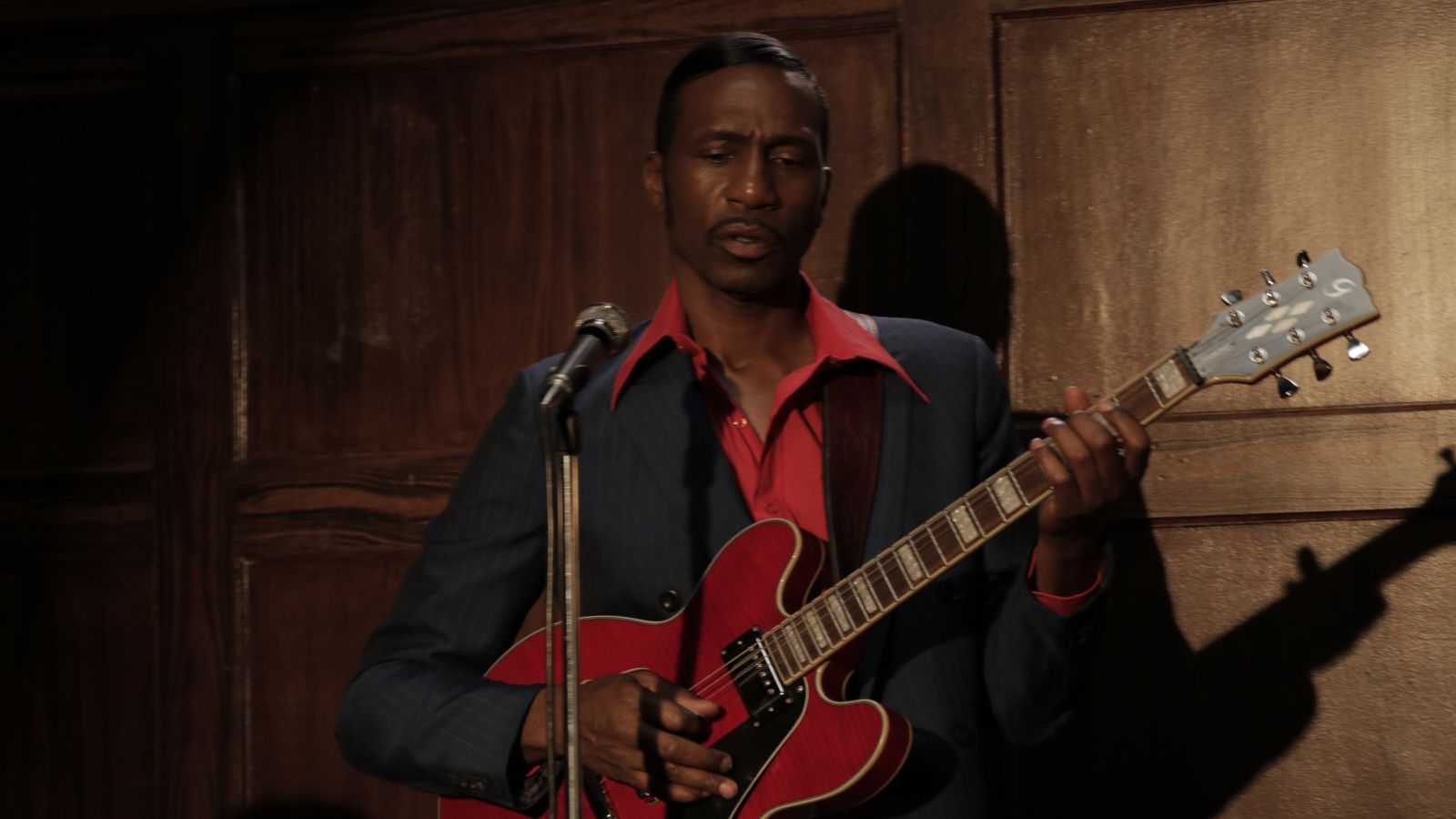
Starring Leon as Eddie Taylor and Toni Belafonte as Vera Taylor, the synopsis promises the true-life story of a blues legend, in his fight against obscurity and industry exploitation. However, in execution, this film is actually about everyone around Eddie Taylor. The real story belongs to Vera—unfulfilled as a wife and mother, her dreams crushed by the controlling forces around her. There’s even a somewhat interesting backstory story about bandleader Jimmy Reed and how his band fell apart. And, of course, there’s the age-old tale of scheming record executives stealing great music from Black musicians and giving it to white artists who create bland covers.
It’s a strong premise, but not the blues I was looking for. Technically, The Rhythm and The Blues fails spectacularly. The shot selection is terrible, the color-correction non-existent, and parts of the film still had screener disclaimer overlays. The direction was so poor it made Leon look like a wooden Z-list actor. The highlight of the movie? Toni Belafonte, who does well in her exploration of Vera Taylor. Worst sin? Those awful Mapquest-style transition graphics showing Jimmy Reed’s tour stops. They completely destroy any sense of time period.

And there’s the scene meant to be the emotional heartbeat—Vera learning her son’s father (and on-again/off-again adulterous lover) was murdered. Instead of heartbreak, the audience laughed heartily, as she tearfully told her son that his daddy was dead.
Eddie spends the film suppressing his wife’s dreams of performing, while stealing her music, even recruiting her teenage son to file copyrights for songs she wrote. Yet we are expected to feel anger as the cartoonishly evil, white record executives espouse afterschool-special-level dialogue about exploiting Black artists. It’s a tale as old as time. With a retooled focus, this could have been a powerful feminist musical celebrating an unsung shero rather than another tired tale of male musical genius. Sometimes the most interesting story is the one hiding in plain sight.
Even the music disappoints. Whether due to rights issues or budget constraints, it recycles the same 3–4 mediocre guitar riffs throughout. While celebrating our music history matters, it deserves better than this. An effort, but barely.
Rating: D
Level of Enthusiasm: 10%
