
Artificial Intelligence in all its facets has completely taken over our societal consciousness. At one time, it was a speculative concept in Science Fiction stories for decades, from positive portrayals like Atom/Astro Boy, Rosie, the robotic maid in The Jetsons, and Lt. Commander Data in the Star Trek franchise to more negative ones like HAL 9000, The Terminator franchise, and, in some ways, The Matrix franchise.
Yet in real life, so far, AI is quite boring, and the people behind it are as well. None of that stops how majorly disruptive it can be for the labor, the economy, the environment, and how humanity sees itself because of the blind rush to make a new form of Intelligence in our world by a few antisocial nerds who have acquired too much money at the cost of the greater society.
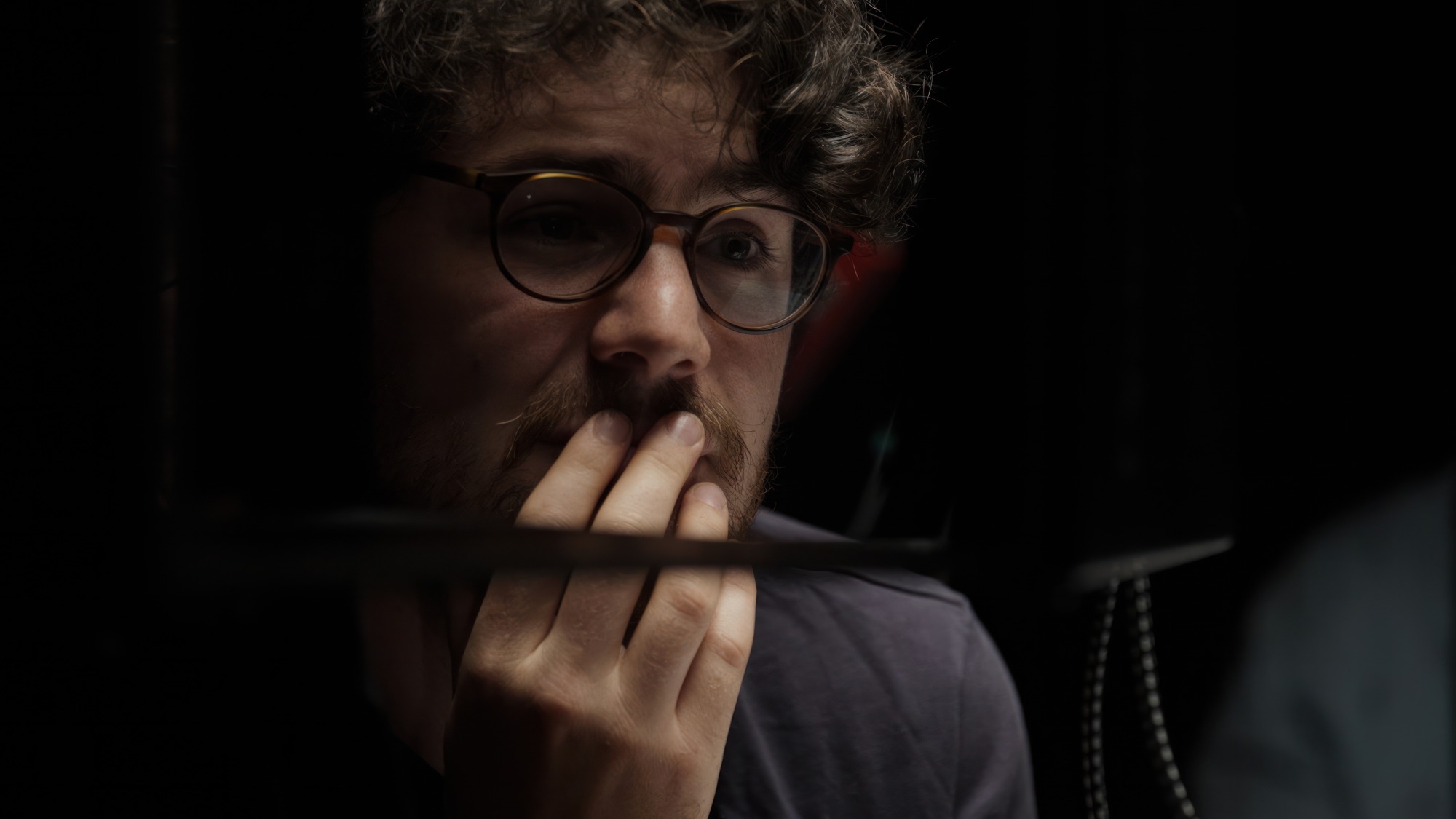
The AI Doc: Or How I Became an Apocaloptimist is a documentary that is struggling with how scary the concept of Artificial Intelligence is on all its many fronts, especially from the point of view of a creative artist. The film follows the co-director Daniel Roher, most known for directing the Academy Award-winning Navalny. Here we see the beginning of the relationship with his wife and their getting married, and then his wife getting pregnant leads Daniel to worry about the world, and specifically AI.
That setup isn’t anything surprising, as new parents do think about the world and what type of world their children will inhabit. How he chose to deal with this is to talk to some of the world’s best experts on AI and the leaders of the companies who are working to achieve it.

The term “Apocaloptimist” comes from mashing up the terms apocalyptist and optimist together. After first starting with apocalyptists about AI, the film does a good job of bringing up every fear you could have or have heard from just scrolling through the many social media apps about where we are headed.
The tone of the film switches once he talks to more pragmatic optimists about how AI can help our society and answer a lot of the points brought up earlier in the movie. The issue here is whether the audience will buy it. The early interviews are so very effective, and with what we see happening on an almost daily basis, it’s hard to see any positive outcome for this. I’ve told people I’m pretty agnostic about AI, as it’s hard for me to sit here as a person who has dreamed of cool robots and talking to my computer because of watching Star Trek: TNG or Short Circuit movies over and over to end up just hating the idea of AI.
Being that the main way I make money is in helping people with computers, knowing and understanding all these new things is a necessary practice I can’t just sit it out. Seeing Daniel Roher struggle with all this while in the film, using his sketchbook to communicate his ideas and internal feelings, along with animated segments of conversations with his reasonable wife Caroline, were some great segments of the film. I connected with this as well as someone who draws himself. The big shift from talking to experts to those in charge of these companies is one of the better final acts of a documentary I’ve seen in a long time.
While I ended up taking a longer bit of time to finish this review, so much has changed since this film came out. Even when I saw it before it was released, it felt a little bit behind already. Pete Hegseth tried to destroy Anthropic because they said no to him, Sam Altman and OpenAI slid right in to that spot. Issues with Microsoft’s Copilot abound, and the Chinese company ByteDance, after selling the US section of TikTok, just put out their video AI generative model that took the world by surprise one weekend and put all the US companies on notice. So seeing these heads talk calmly about their plans, answering Daniel’s questions, was interesting, even as one of them was missing (Elon, of course), but then we get to Sam Altman.

Sam Altman is the public figurehead of OpenAI, the owner of ChatGPT, and the first AI application that caught on with the public. Altman clearly wants to be the new Tech guru, which leads to his issues with Elon Musk, but clearly he wants the space Steve Jobs held and his seemingly quiet, shy guy persona, and telling people they should be restrictions and rail guards. He’s clearly figured out this role better than Mark Zuckerberg, and you can see how well this works in the film. A lot of this is all lies and manipulation, but we want to believe in the future sold to us in fiction, and we want to be safe.
His parts of the third act of the film overshadow the interview with the Microsoft AI head, the top Google person of AI, and even Dario Amodei, the CEO of Anthropic, who left OpenAI to start his company. I think the end of the film, while fine and feels like a perfect place most of us are with AI, it’s the Altman part that rings a bit more important right now. I haven’t read the Ronan Farrow huge investigative piece at the New Yorker about Altman to make me feel this way. It’s just watching the news and seeing how people are shifting on all of this, and I feel The AI Doc connects to the zeitgeist in the most needed way. The film is a must-see and something worth revisiting even more so later this year as things shift even more in our crazy world.
Rating: B+
Level of Enthusiasm: 80%
